How loupe design and customization influence surgeon posture and ergonomic strain in the operating room.
Musculoskeletal strain is widely recognized as a common occupational issue among surgeons, with neck and upper back pain reported at significantly higher rates than in the general population. Across surgical specialties that rely on magnification, surveys have reported neck and back pain in as many as 30–80% of surgeons over the course of their careers. While long hours and static posture are often cited as contributing factors, loupe design and fit play an increasingly important role in surgeon ergonomics.
To better examine this relationship, Q-Optics participated in an ergonomic study conducted by a multi-institutional academic research team, evaluating how loupe geometry and customization affect surgeon posture during operative positioning. The study was carried out in a magnified surgical setting, where sustained posture makes ergonomic effects particularly observable.

Inside the Study
The study compared head and neck posture when surgeons used traditional fixed-design loupes versus a fully customized loupe system. Researchers focused on operating neck flexion angle, a well-established indicator of cervical strain and long-term musculoskeletal risk, as loupe geometry largely determines how much a surgeon must bend the neck to maintain visualization of the operative field.
Sustained neck flexion beyond neutral posture has been linked in prior research to increased mechanical load on the cervical spine and a higher risk of chronic neck pain over time.The evaluation examined Q-Optics’ TrueFit® custom surgical loupe system, which incorporates increased declination angle, reduced device weight, and improved load distribution to support a more neutral operating posture.
Key Findings
The study demonstrated that customized loupe geometry was associated with a substantial reduction in operating neck flexion compared to standard, non-customized loupes. When using the customized system, average operating neck flexion decreased from a highly flexed posture to a position much closer to neutral.
This improvement was accompanied by reduced cervical load, lower neck muscle effort, and significantly less pressure on the nasal bridge — indicating that less muscular and mechanical compensation was required to maintain visualization during surgery.
These postural improvements were observed consistently across operating positions, suggesting that loupe geometry sets the baseline posture required for visualization, rather than relying on the surgeon to compensate through head and neck positioning. Most surgeons never quantify how much neck flexion their loupes require — yet this posture is repeated for every case.
Do you notice yourself tilting your head forward or feeling neck fatigue during longer procedures?
Why This Matters in Surgical Practice
Even small departures from neutral neck posture, when sustained across long operating hours, increase cumulative musculoskeletal load. While the study measured posture and mechanical demand rather than pain outcomes, it clarifies how loupe design directly influences the physical demands placed on the surgeon during real operating conditions.
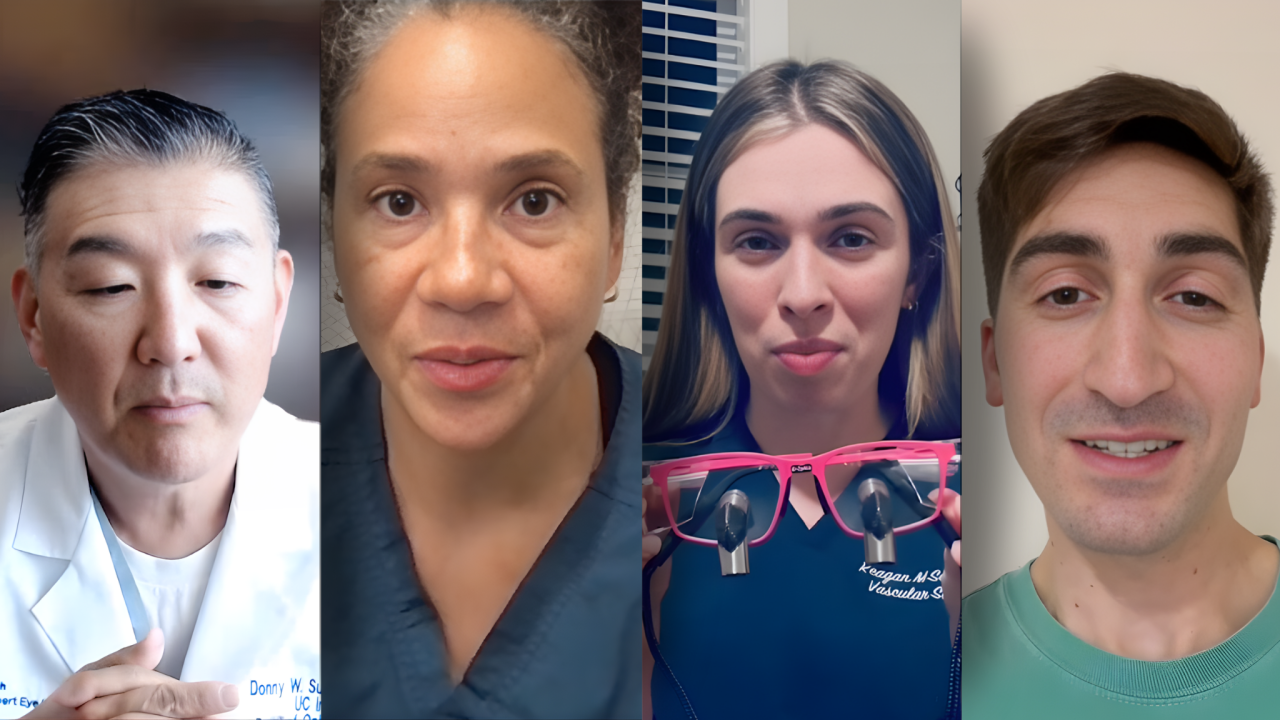
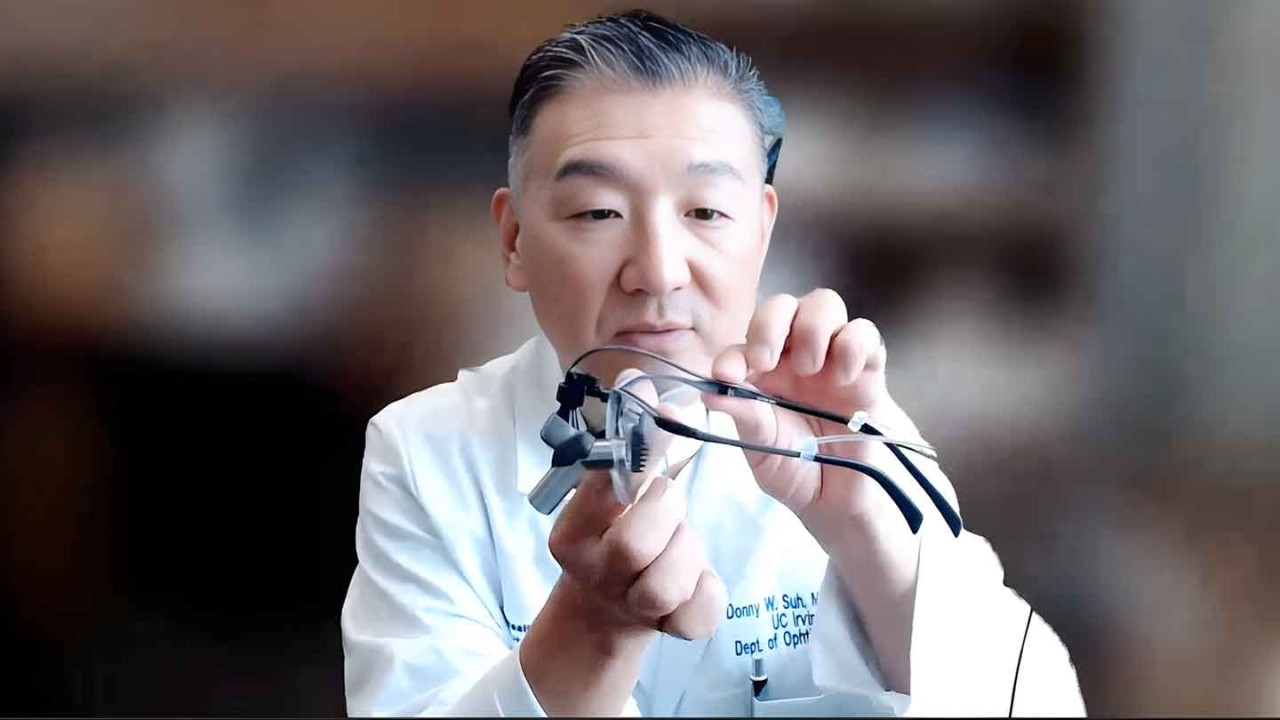
As co-author Donny W. Suh has noted in discussions on surgeon health, focused adjustments to posture and equipment can meaningfully reduce the risk of long-term musculoskeletal disease.
The findings reinforce a central ergonomic principle: optimization must be individualized. Fixed-geometry loupes require surgeons to adapt their posture to the optics, increasing neck flexion and load. In contrast, the improvements observed here resulted from customization that aligned optics with the surgeon’s natural working posture.
Next Step for Surgeons
Assess how your current loupes affect your operating posture — and explore how Q-Optics’ TrueFit® custom surgical loupes are designed to support a more neutral neck position.
👉 Explore the CSurgeries × Q-Optics collaboration and ergonomic resources here: https://csurgeries.com/channel/q_optics/