The evolution of surgical instrumentation often follows a predictable path where a clinical need is identified, a prototype is engineered, and a marketing campaign targets a specific surgical subspecialty. Q-Optics represents a rare instance where a transformative tool arrived in the operating room through organic adoption rather than a formal market expansion.
By solving a universal problem shared by any clinician leaning over a patient, specifically the conflict between high-magnification clarity and long-term musculoskeletal health, the company demonstrated that true innovation is often discipline-agnostic. In this edition of the Innovation Highlight, we examine how a customization framework built for the rigid requirements of dental ergonomics was embraced by surgeons to address the physical tolls of the modern operating room.
The dental origins of custom fit loupes
When Q-Optics began building custom-fitted loupes in the late 1990s, the work was aimed exclusively at dentistry. The company focused on clinicians whose work required sustained visual precision in fixed postures where ergonomic strain accumulated over long procedures.
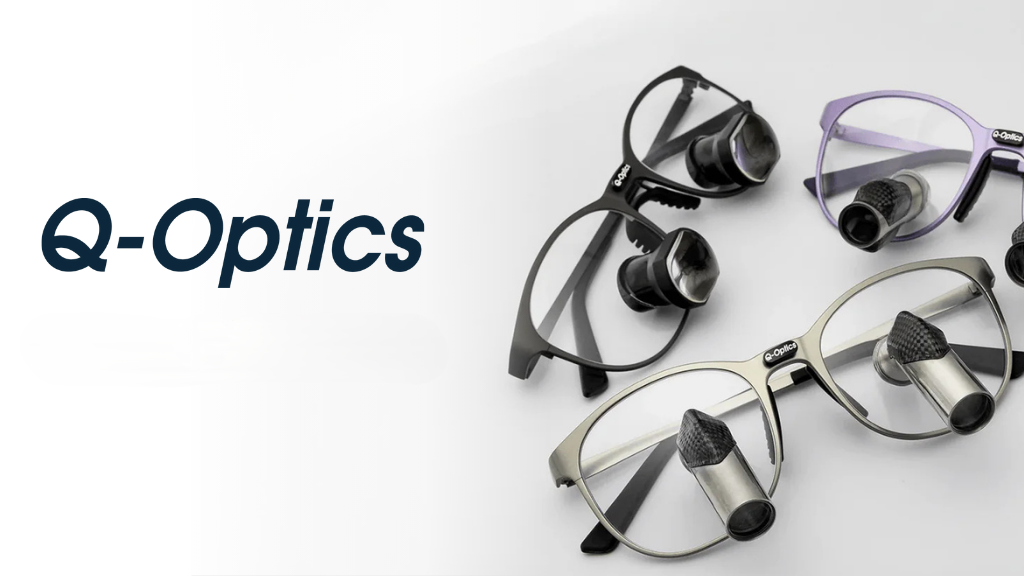
Founded by a small group of optical engineers working directly with clinicians, Q-Optics entered the market with a focus on custom through-the-lens (TTL) loupes built to individual measurements. This approach, formalized as the TrueFit® customization process, treated working distance, declination angle, and visual alignment as fixed design inputs during fabrication. In dental practice, feedback centered on fit consistency and optical stability, leading to a model where optical elements were permanently fixed to ensure the user never had to hunt for a visual sweet spot.
The organic transition to the OR
The expansion into surgical practice began when clinicians in academic centers noticed the equipment being used by their colleagues in dentistry. The shift was sparked when a maxillofacial surgeon, encountering the loupes in a dental school setting, questioned the existing standards of surgical optics: “If you can make this level of clarity for dentists, why aren’t you making these for us?”
This observation initiated a shift driven by the clinicians themselves. Residents who trained with the loupes became attendings and carried the technology into different departments. Faculty began sharing the products across specialties, finding that the personalization and stability built for dental surgery solved existing problems in general and specialized surgery. The surgical community recognized the utility of the tool and pulled the technology into the OR based on performance rather than procurement scripts.
Custom fit for surgeons
As word-of-mouth adoption grew, Q-Optics refined their engineering to meet specific operating room demands. While the core optical philosophy remained unchanged, the frames and housings were reinforced for the rigors of sterile environments, and optical systems were calibrated for the deeper working distances required in major surgery.
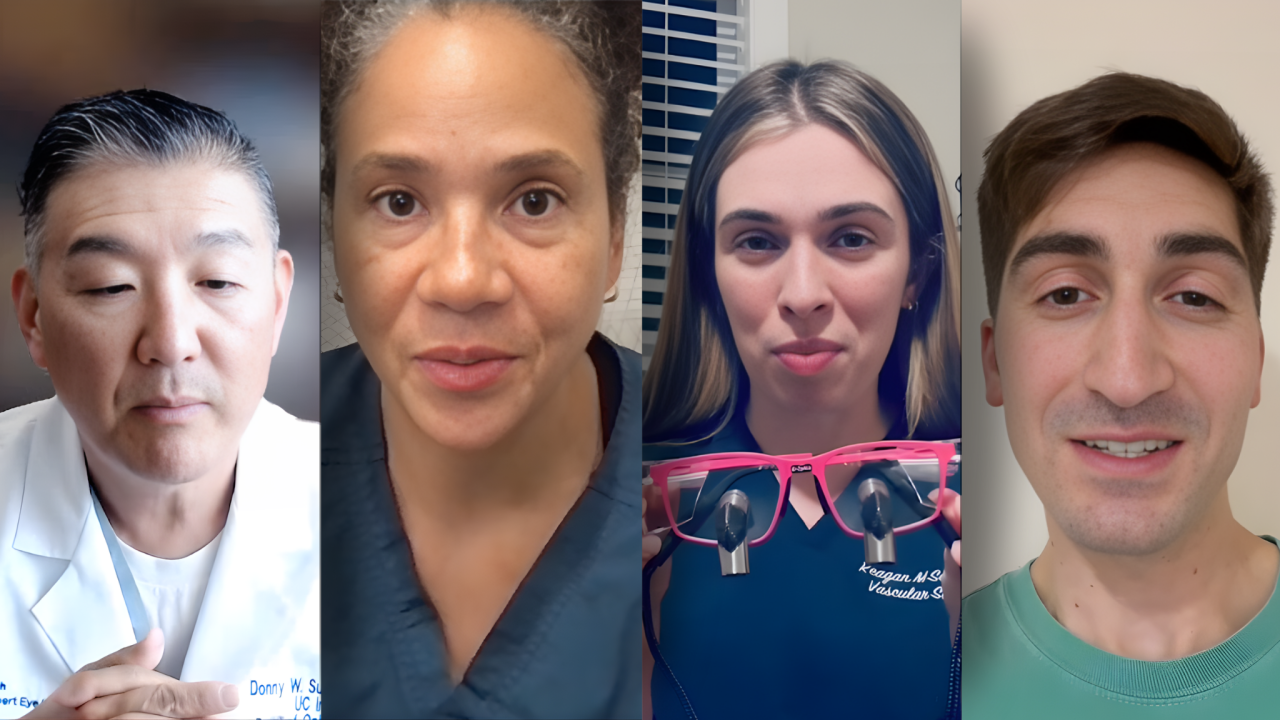
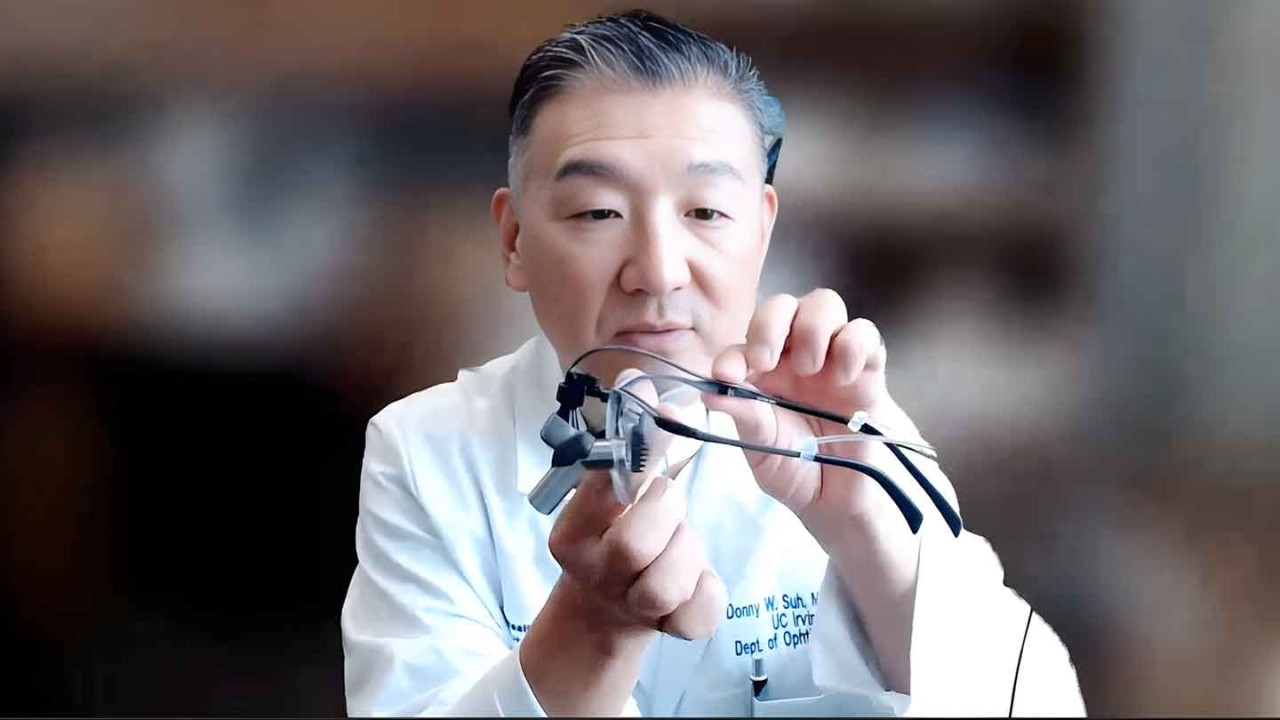
Crucially, the company maintained the individualized fitting process, recognizing that a surgeon’s height and preferred posture are unique variables. For many, the appeal extended to career longevity. Pediatric ophthalmologist Dr. Donny Suh, who has practiced for more than 25 years, described feeling significant strain early in his career: “Even in my 30s, I could feel the physical strain on my body. It reached a point where the pain became unbearable.” He pointed to the persistence of outdated loupe designs in surgery and a culture that discouraged change, noting that residents tend to follow the example set by their instructors. For Dr. Suh, improved optical alignment had tangible consequences: “My posture improved from about 30 degrees to virtually zero.”
Why this innovation matters
The significance of the Q-Optics model lies in treating the surgeon’s anatomy as a critical part of the optical equation. Standard off the shelf loupes often force surgeons into a 45-degree forward head tilt, which exponentially increases the load on the cervical spine and surrounding musculature. By using digital mapping to customize the declination angle for the individual, these loupes allow the wearer to maintain a neutral neck position while still visualizing the deep surgical field.
This shift moves loupes out of the category of simple magnification and into occupational safety equipment. As work-related musculoskeletal disorders (MSKDs) continue to be a leading cause of early retirement in surgery, the priority must remain on tools that adapt to the clinician rather than forcing the clinician’s body to adapt to the tool.
To learn more about Q-Optics and their approach to custom-fitted surgical loupes, visit their website at https://q-optics.com.